The Top 5
Ethical Controversies in the Pharmaceutical Industry
David Blok | Posted on May 17, 2023 | Updated on March 26, 2025
- Introduction
- Pricing Practices
- Clinical Trials and Patient Safety
- Direct-to-Consumer Advertising
- Patent Protection and Generic Medicines
- Conflict of Interest and Industry Influence
- Conclusion
- FAQ
Introduction
The pharmaceutical industry has an undeniable impact on healthcare worldwide. However, this impact comes with its share of ethical dilemmas. This article addresses the top five controversies that have given pause to stakeholders and the public alike.
The Dual Role of the Pharmaceutical Industry
This industry is both a boon and a bane, contributing to medical advancements while facing ethical scrutiny. But what are these ethical flashpoints, and why should we care?
1. Pricing Practices
Balancing Profits and Accessibility
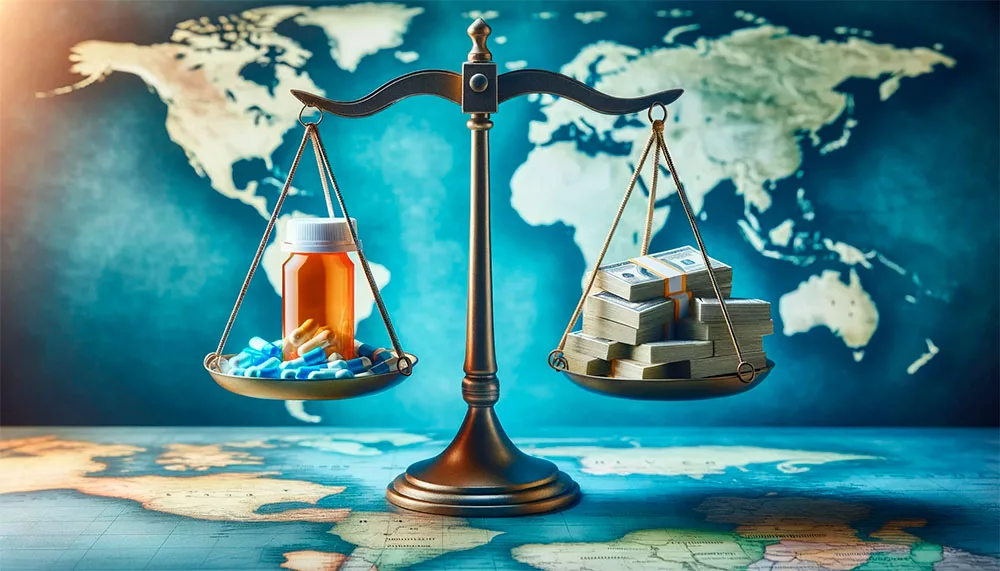
When it comes to drug pricing, it’s a tightrope walk for pharmaceutical companies. On the one hand, they need to recover R&D costs and generate profits; on the other, sky-high prices can effectively bar patients from essential treatments.
The Barrier of High Drug Prices
Financially strapped patients often find themselves caught in a conundrum: pay for expensive medications or forgo treatment. It’s a situation that has led to heated public debate, raising questions on the ethical responsibilities of pharmaceutical companies.
Transparency and Alternative Models
Addressing this controversy may involve being more transparent about how prices are set and exploring alternative pricing models, such as value-based pricing, to align costs more closely with patient outcomes.

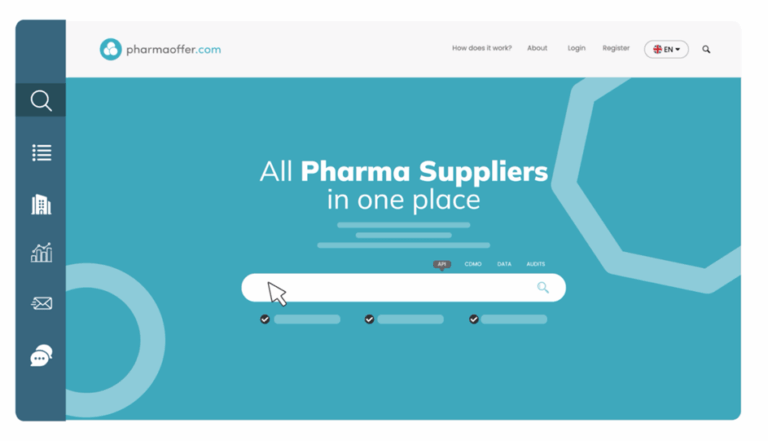
API Price Transparency is finally here.
Pharmaoffer’s Trade Data service gives you an overview of the latest average selling prices,
transaction volumes, and tracking search data across the globe for thousands of APIs.
Simplify your sourcing process by accessing current market insights and detailed transaction histories
that will give your business a competitive edge.
Check it out today and make smarter sourcing decisions!
2. Clinical Trials and Patient Safety
Ensuring Ethical Standards
The road to market approval is paved with clinical trials, but these trials have their own set of ethical challenges, from informed consent to the selection of trial subjects.
Informed Consent
Before partaking in any clinical trial, participants must fully understand the risks involved. Failing to obtain informed consent isn’t just ethically unsound—it’s a violation of basic human rights.
Regulatory Oversight
Stringent guidelines from health authorities like the FDA help enforce ethical standards in clinical trials, safeguarding the well-being of participants.
3. Direct-to-Consumer Advertising
Balancing Information and Persuasion
DTC advertising is a double-edged sword. While it empowers patients to make informed decisions, it can also manipulate consumer behavior.
The Criticisms of DTC Advertising
Is the consumer’s ability to make healthcare decisions compromised by persuasive advertising? Critics say yes, pointing out that such campaigns may overstate benefits and understate risks.
Maintaining Integrity in DTC Advertising
To maintain ethical integrity, pharmaceutical companies should aim for balanced advertising that thoroughly covers both the pros and cons of the drug in question.
4. Patent Protection and Generic Medicines
Balancing Innovation and Affordability
Patent laws exist to protect innovation, but they also lead to monopolies that can price essential drugs out of reach for many patients.
The Controversy Over Patent Exclusivity
While patents reward innovation, they can be a roadblock to accessibility, especially in developing countries. The balance between innovation and affordability is a subject of ongoing debate.
Alternative Models to Encourage Affordability
Mechanisms like patent pools and compulsory licensing can help strike a balance, allowing generic versions of patented medicines to be produced without violating intellectual property rights.
5. Conflict of Interest and Industry Influence
Transparency and Trust
The nexus between pharmaceutical companies and healthcare professionals has been scrutinized for potential conflicts of interest that could impact patient care.
The Relationship Between Industry and Physicians
Is the advice from your doctor unbiased? Or is it influenced by their financial ties to pharmaceutical companies? This gray area demands transparent disclosure.
Rebuilding Trust Through Transparency
A commitment to transparent reporting can go a long way in rebuilding trust. More pharmaceutical companies are now publishing payments made to healthcare professionals, which is a step in the right direction.
Conclusion
The pharmaceutical industry stands at a crossroads, facing ethical challenges that require immediate attention and action. A multi-stakeholder approach that includes regulatory bodies, healthcare professionals, and patient advocacy groups is critical for change.
A Path Forward
By facing these controversies head-on and adopting transparent and ethical practices, we can cultivate an industry that serves its most important stakeholder: the patient.