In the complex world of pharmaceutical sourcing, not all high API quotes are unjustified. Factors like regulatory compliance, low-volume production, or raw material scarcity can legitimately increase pricing. However, many quotes contain hidden premiums or inflated charges that don’t reflect current market reality.
Knowing the signs of an overpriced quote and how to respond with data can save your company significant costs and strengthen your negotiation position. Below, we outline 10 signals that an API quote might be overpriced and how to counter them using trade data insights.
1. Big Premium vs. 3-Month Median for Same Lane/Volume
If a supplier quote is much higher than the typical price for the same source-to-destination lane and shipment size over the past 3 months, it could indicate unnecessary padding.
Why it matters: You may end up overpaying for something that is usually cheaper.
Example: If the median price for 100 kg of Paracetamol from India to Germany is $500/kg, and your quote is $600/kg without a clear reason, this is a signal.
2. Rush Fees Without Capacity Constraints
If the supplier charges extra for “rush” orders but actually has available production capacity, the fee may be inflated.
Why it matters: You could be paying a premium that isn’t justified by actual urgency or cost.
Example: A “rush fee” of $10/kg is charged, but the supplier could deliver immediately without any strain on production.
3. Incoterms Shift Inflating Comparator Price
Incoterms define who pays for transport, insurance, and risk. If a supplier switches these terms without reason, the price might look higher.
Why it matters: It can create hidden costs or inflate the comparison with other quotes.
Example: A quote changes from EXW (you handle shipping) to DDP (supplier handles everything), increasing the total price.
4. Lack of Specification Detail but Premium Priced
The supplier charges more even though the quote lacks essential product details like purity, packaging, or batch size.
Why it matters: You’re paying extra without knowing exactly what you get.
Example: A supplier charges a premium for “API X,” but doesn’t specify purity, origin, or testing methods.
5. Payment Term Hardening Without Risk Change
The supplier asks for stricter payment terms (e.g., full upfront) without any increased risk in your order.
Why it matters: This could be a tactic to secure cash flow or leverage pricing.
Example: You normally pay 30 days after delivery, but now they insist on 100% prepayment with no new risk justification.
6. Single-Supplier Dependency Cited as Pricing Rationale
The supplier argues you must pay more because they are your “only source.”
Why it matters: Often, alternative suppliers exist, but they may be pushing you to pay a premium.
Example: “We are the only manufacturer of API X.” You check trade data and find other options available.
7. “Market Shortage” Claims Without Recent Lane Evidence
The supplier claims prices are high due to shortages, but there’s no data supporting this.
Why it matters: It could be a way to justify inflated pricing.
Example: They claim “global shortage” but trade data shows stable volumes, giving you the upper hand in negotiations.
8. Excessive Add-Ons (Documentation, Handling) Outside Norm
Suppliers may charge extra for documentation, handling, or testing that is not usually billed separately.
Why it matters: These add-ons can inflate the total price significantly.
Example: $2/kg for a “certificate of analysis” when this is typically included.
9. Long Quote Validity Windows With No Capacity Guarantee
A supplier offers a quote valid for weeks or months without confirming they can actually produce the order when needed.
Why it matters: This could lock you in at a higher price without real availability.
Example: Quote valid for 60 days, but production schedule isn’t guaranteed.
10. Quote Anchored to Older, High-Volatility Period
Suppliers may reference an older period with high price fluctuations to justify current pricing.
Why it matters: This can artificially inflate your cost compared to recent market prices.
Example: Quote based on prices from last year during a spike in raw material costs, even though today’s prices are lower.
Data-Backed Counters
Using trade data can help you respond strategically:
Median/Percentile Range
Provide the supplier with the median or percentile range for your lane and volume to benchmark their quote. Compare the supplier’s quote to the typical market price for the same lane and volume.

How to get it:
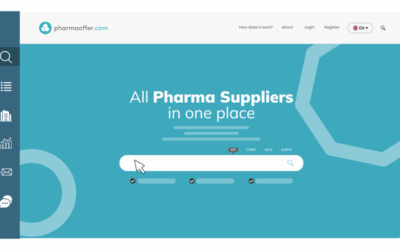
- Go to Pharmaoffer.com Trade Data.
- Search for the API name in the search bar.
- Check the average price and percentile range for the lane and volume you are sourcing.
Flexible Windows or Split Shipments
Propose alternative delivery terms that reduce cost without disrupting supply. Reduce costs by adjusting delivery schedules or splitting large orders.

How to get it:
- Open the API Trade Data page.
- Review recent transactions for quantities and prices.
- Identify trends in pricing for different shipment sizes or delivery dates.
Dual-Source Readiness
Politely indicate that you can source from multiple suppliers to reset price anchors.

Tip: Always communicate counters professionally, emphasizing market data rather than confrontation.
High API quotes don’t always mean overpricing, but with the right data, you can tell the difference and negotiate confidently. By using market benchmarks, reviewing transaction trends, and exploring alternative suppliers or lanes, you can make informed decisions that protect your budget and ensure supply reliability.
Trade data gives you transparency, context, and leverage, turning uncertainty into actionable insights and helping you secure fair pricing every time.